Lehmesa: Return by Moonlight
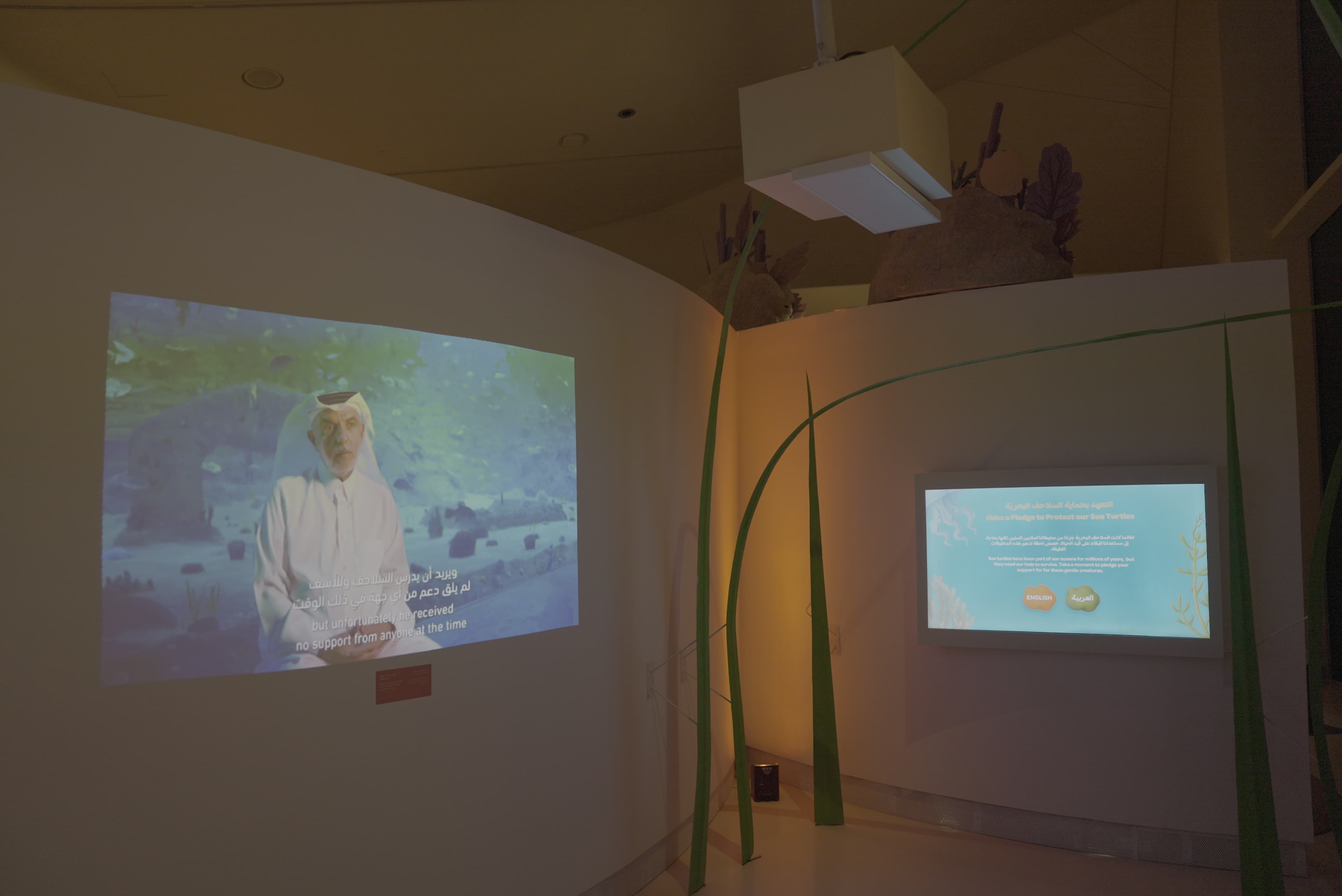
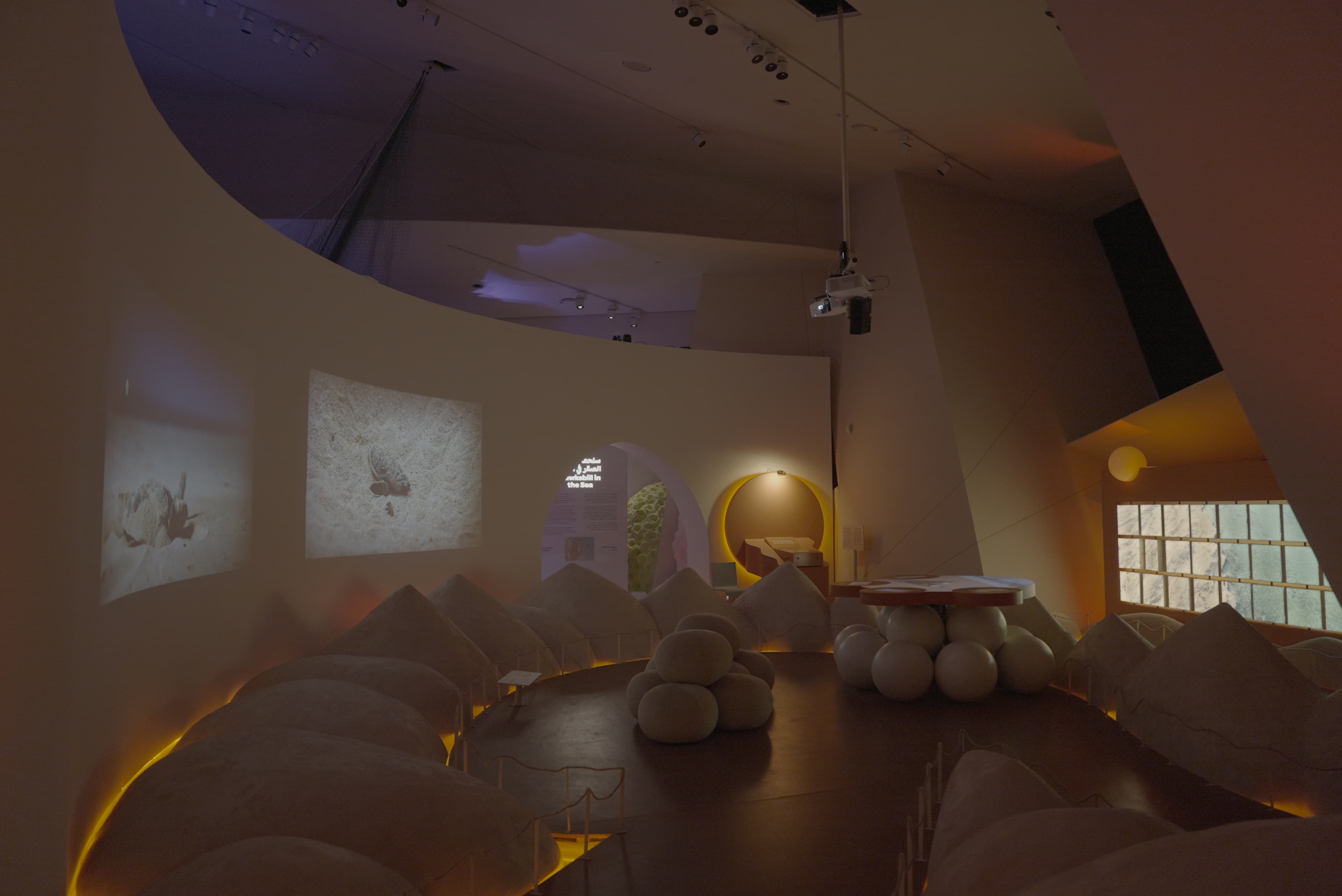
VCS supported the "Lehmesa: Return by Moonlight" exhibition at Qatar Museums, an immersive marine conservation experience centered on Qatar's natural heritage and the life cycle of the Hawksbill sea turtle. The project required a highly engaging audiovisual environment to support large-scale storytelling, educational content, and immersive visitor experiences. VCS delivered integrated LED display systems, professional audio infrastructure, and advanced projection technologies to enhance the exhibition's narrative journey, including a unique immersive underwater environment simulating real-time interaction with marine life.
VENUE:
NATIONAL MUSEUM OF QATAR
CATEGORY:
Exhibitions
SERVICES:
Projectors • Lighting, Audio & Visual
PROJECT OVERVIEW
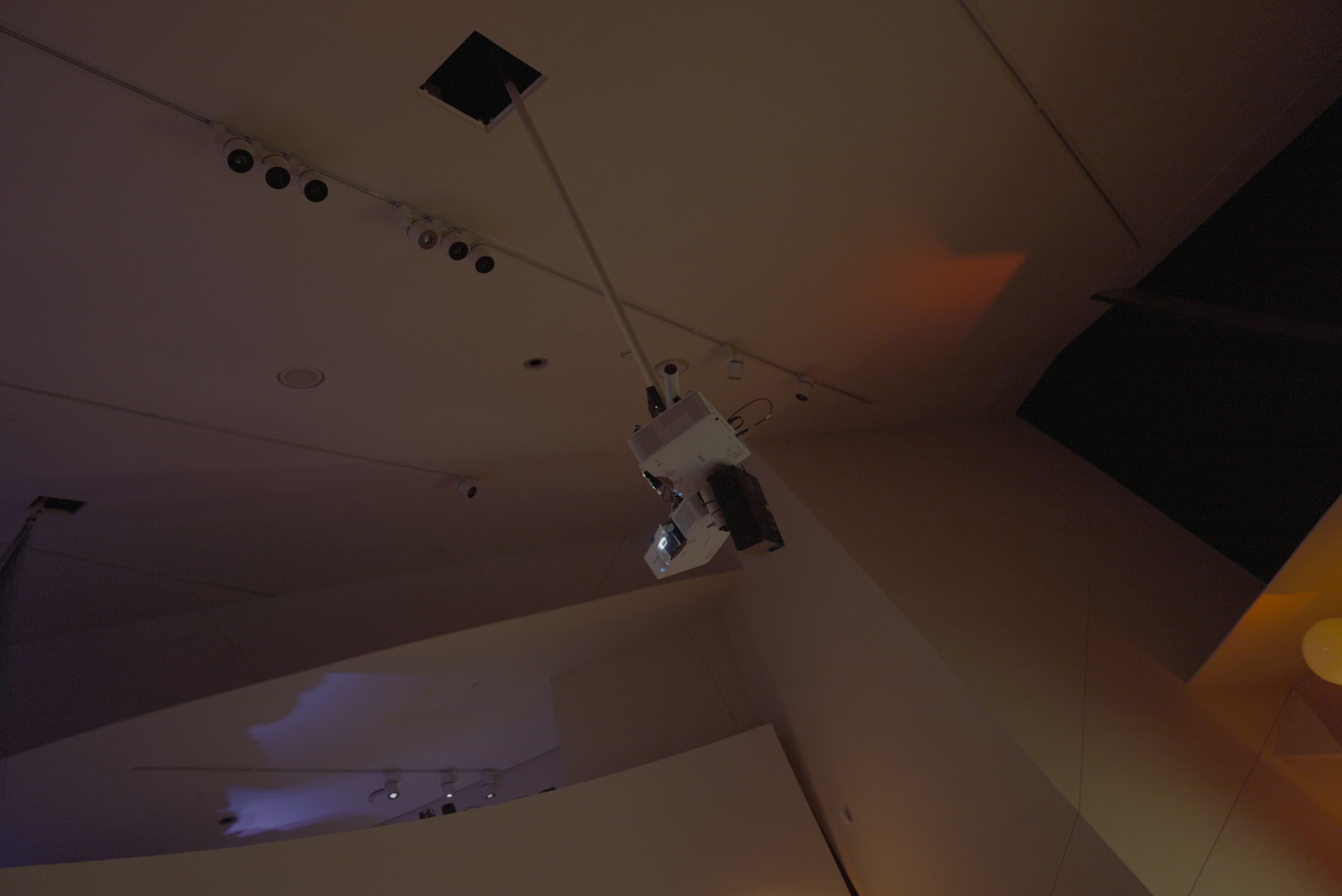
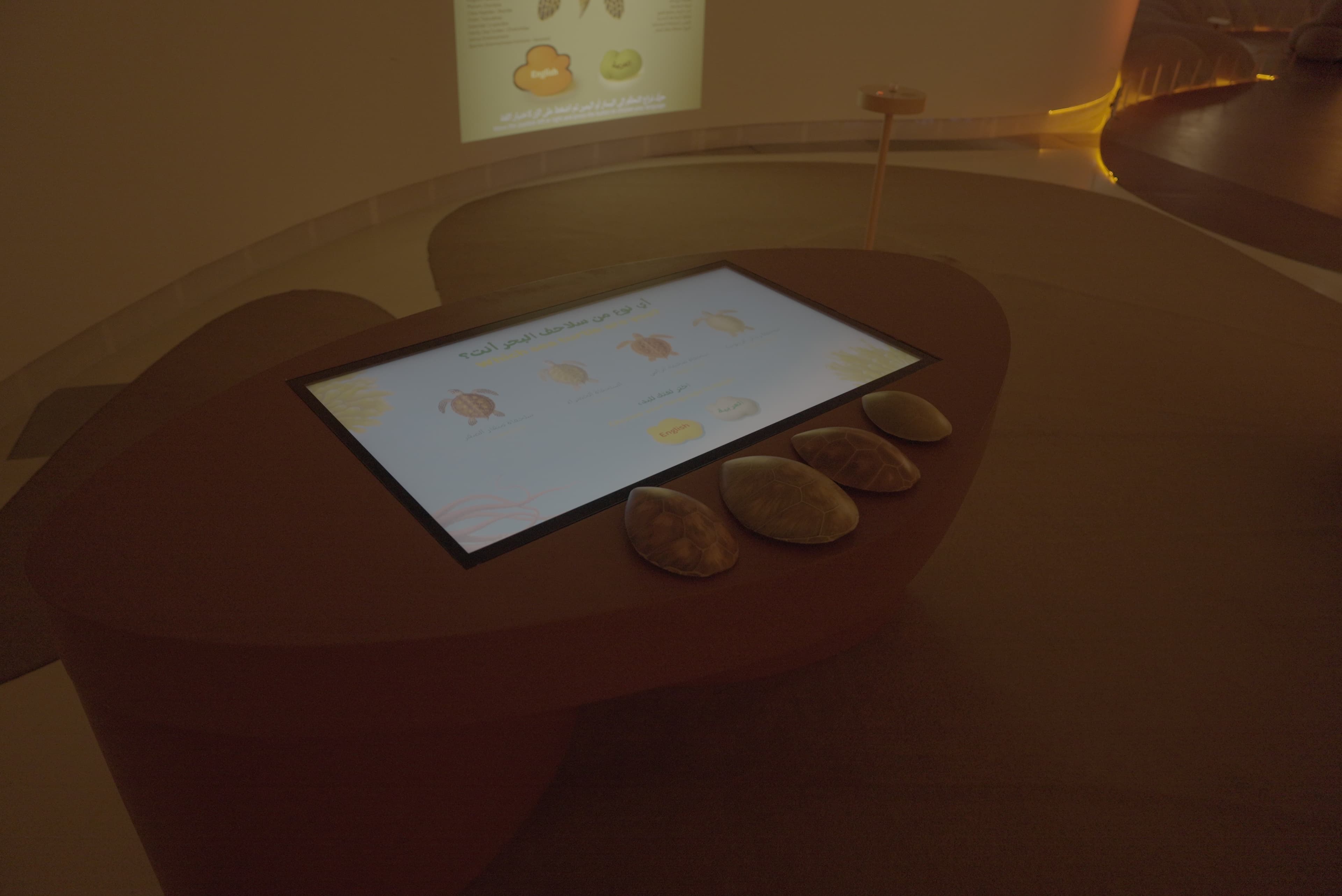
The objective was to create a fully immersive environment that transported visitors into a dynamic underwater world, allowing them to experience marine life through a combination of visual, auditory, and interactive storytelling. VCS implemented high-resolution LED systems, multi-projector 360-degree mapping, synchronized media servers, and spatial audio design to build a continuous underwater visual dome featuring real marine content, including live turtles. A second key highlight was the interactive smart book installation, which enabled real-time content responsiveness through embedded sensor technology. Each page turn triggered immediate visual transitions via a tightly integrated system linking hidden sensors within the book to a 4K projection output system. This created a seamless blend between physical interaction and digital storytelling.

UNDERSTANDING THE CHALLENGE
The project presented dual-layered technical complexity involving both large-scale immersive projection and precision-based interactive technology. For the 360-degree underwater environment, multiple high-powered projectors had to be meticulously edge-blended and calibrated to function as a single unified visual surface. The content included dynamic marine visuals and moving elements, requiring real-time synchronization, distortion correction, and flawless playback to maintain immersion across the full environment. Simultaneously, the interactive smart book system required highly accurate sensor calibration and real-time communication between embedded tracking points and a 4K projection system. Ensuring instant response to page turns demanded a stable, low-latency integration between hardware sensors, control systems, and media servers. Through advanced projection mapping, sensor-driven interactivity, and precise system integration, VCS successfully delivered a fully synchronized, immersive underwater experience that merged physical interaction with large-scale environmental storytelling.
EVENT HIGHLIGHTS